The most important marathon training tips are simple: build your mileage slowly over several months, keep most of your runs easy, do one long run a week, add strength training, and practice your race day fueling before race day. Most marathon problems, from injuries to hitting the wall, come from skipping one of these. Here’s how to train smart for 26.2 miles, whether it’s your first marathon or your fifth.
Give yourself enough time
Most first time marathoners need about 16 to 20 weeks of focused training, and that’s if you can already run comfortably for 30 minutes or more. If you’re starting from scratch, spend a few months building a base first. Rushing the build is one of the most common causes of injury.
Build mileage gradually
Increase your weekly mileage slowly, and every few weeks take an easier week to let your body catch up. Your heart and lungs adapt faster than your tendons, bones and joints, so even if you feel ready to do more, hold back a little.

Keep most runs easy
It sounds backward, but running slower most of the time makes you faster on race day. Most of your weekly runs should be at a comfortable, conversational pace, where you could talk in full sentences. Save hard efforts for one or two workouts a week, like tempo runs or intervals.
Make the long run your priority
The weekly long run builds the endurance you need for race day. Increase it gradually over your training, with your longest runs coming a few weeks before the race. Run these slower than your goal race pace, and use them to practice fueling, gear and pacing.
Add strength training
Runners who lift tend to stay healthier. Two short strength sessions a week can make your hips, knees and ankles more resilient and help you hold good form late in the race. Focus on:
- Squats or the leg press
- Lunges and step ups
- Romanian deadlifts
- Calf raises
- Glute bridges and hip work
- Core exercises like planks and side planks
Keep these sessions shorter and lighter during peak mileage weeks and in the last few weeks before the race.

Practice your fueling
Your body can only store so much energy. On long runs and race day, you’ll need to take in carbs along the way, usually gels, chews or a sports drink. Practice this on your long runs so your stomach is used to it. Never try something new on race day.
The days before the race, eat a little more carbohydrate than usual and stay hydrated. On race morning, eat a familiar breakfast a few hours before the start.
Recover like it’s part of training
Because it is. Getting stronger happens when you rest:
- Sleep seven to nine hours whenever you can
- Take at least one full rest day a week
- Use easy days to actually go easy
- Stretch, foam roll or try assisted stretching to stay loose
- Pay attention to pain that doesn’t go away. Small niggles turn into injuries when you ignore them.
Taper before race day
In the last two to three weeks, cut back your mileage so you start the race rested. Keep a little speed in your runs, but do less overall. It’s normal to feel restless during the taper. Trust it.
Race day tips
- Don’t start too fast. Run the first few miles a little slower than goal pace.
- Stick to the fueling plan you practiced.
- Drink at aid stations before you feel thirsty, especially on warm days.
- Wear shoes and clothes you’ve already run long in.
- Break the race into chunks, like 5 or 10 miles at a time.

Set a goal that fits you
Your goal might be a specific time or simply to finish strong. Both are worth it. A clear goal helps you plan your training and keeps you motivated through the long weeks of building.
Get help with your marathon training
Strength training and recovery are where many runners need the most help, and that’s where a gym can make a real difference. At Mike’s Fitness JP in Jamaica Plain, you can:
- Book a free fitness assessment to look at how you move and build a strength plan around your running
- Work with a trainer who specializes in runners. Find the right fit on the Meet the Trainers page
- Use The Treatment Room for massage and assisted stretching during heavy training weeks
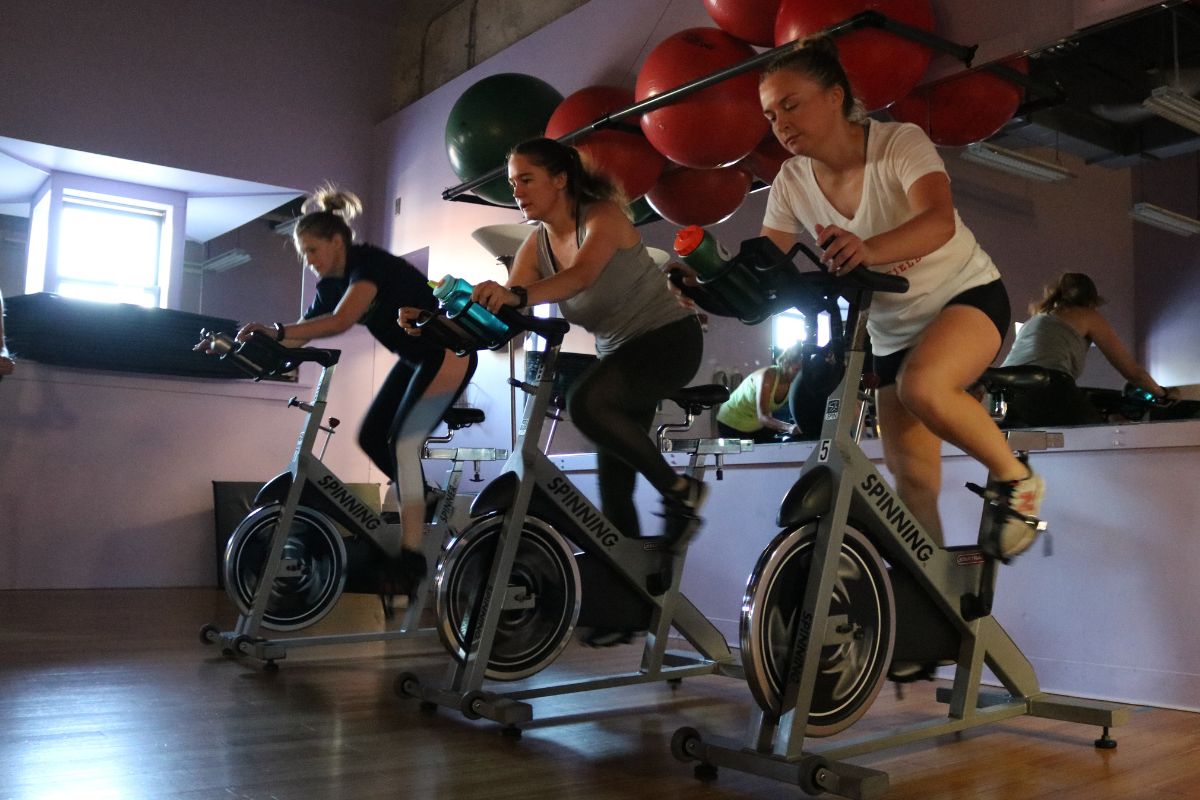
- Get indoor miles on the treadmill or in a Spin class when Boston weather won’t cooperate
The gym is a short walk from the Stony Brook stop on the Orange Line, with free parking, and close to some of the best running routes in Boston, from Jamaica Pond to the Southwest Corridor.
Trust the process
A marathon rewards patience. Train consistently, keep your easy days easy, get stronger and practice your race day plan. When you get to the start line, you’ll know you did the work.